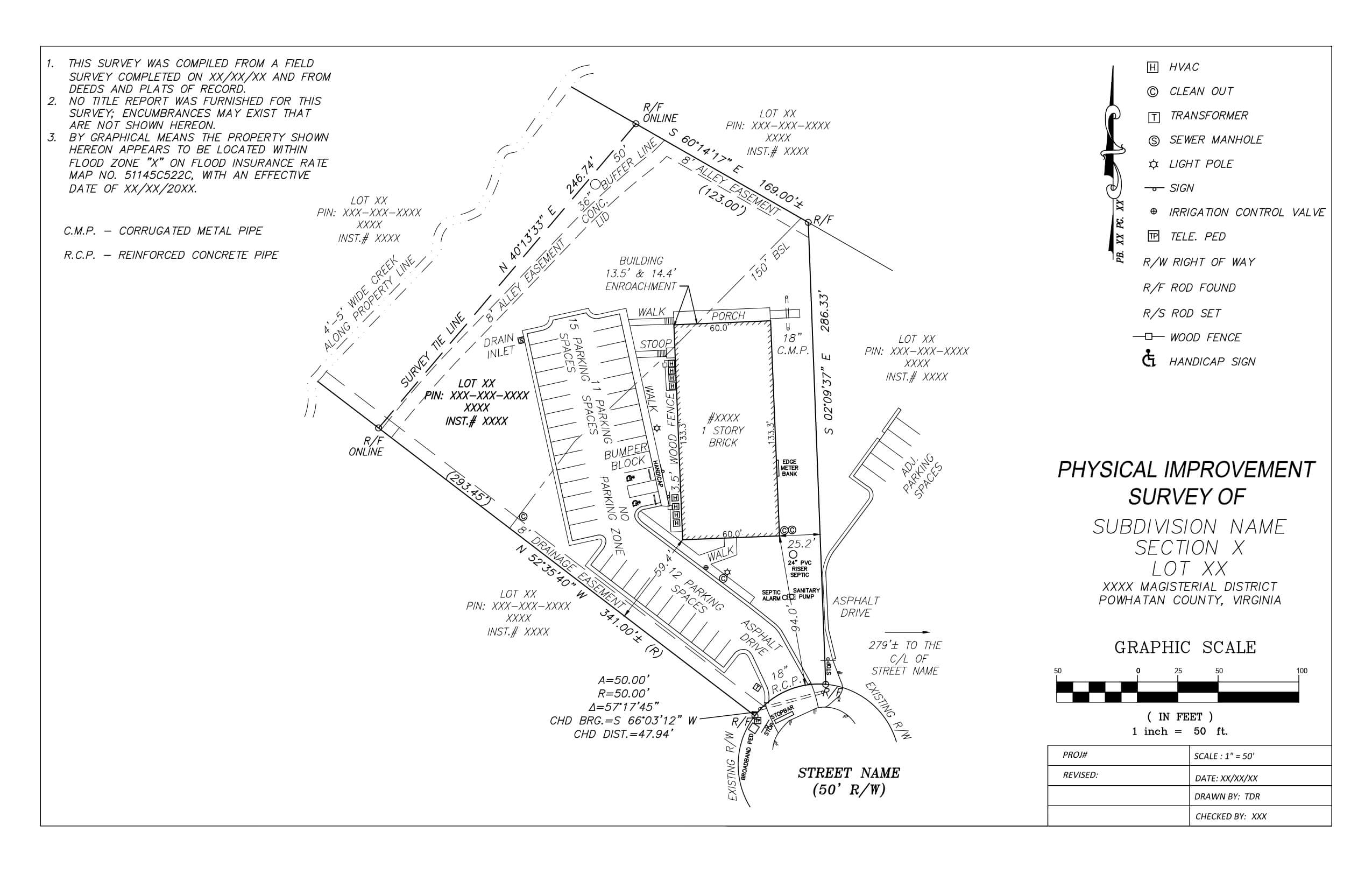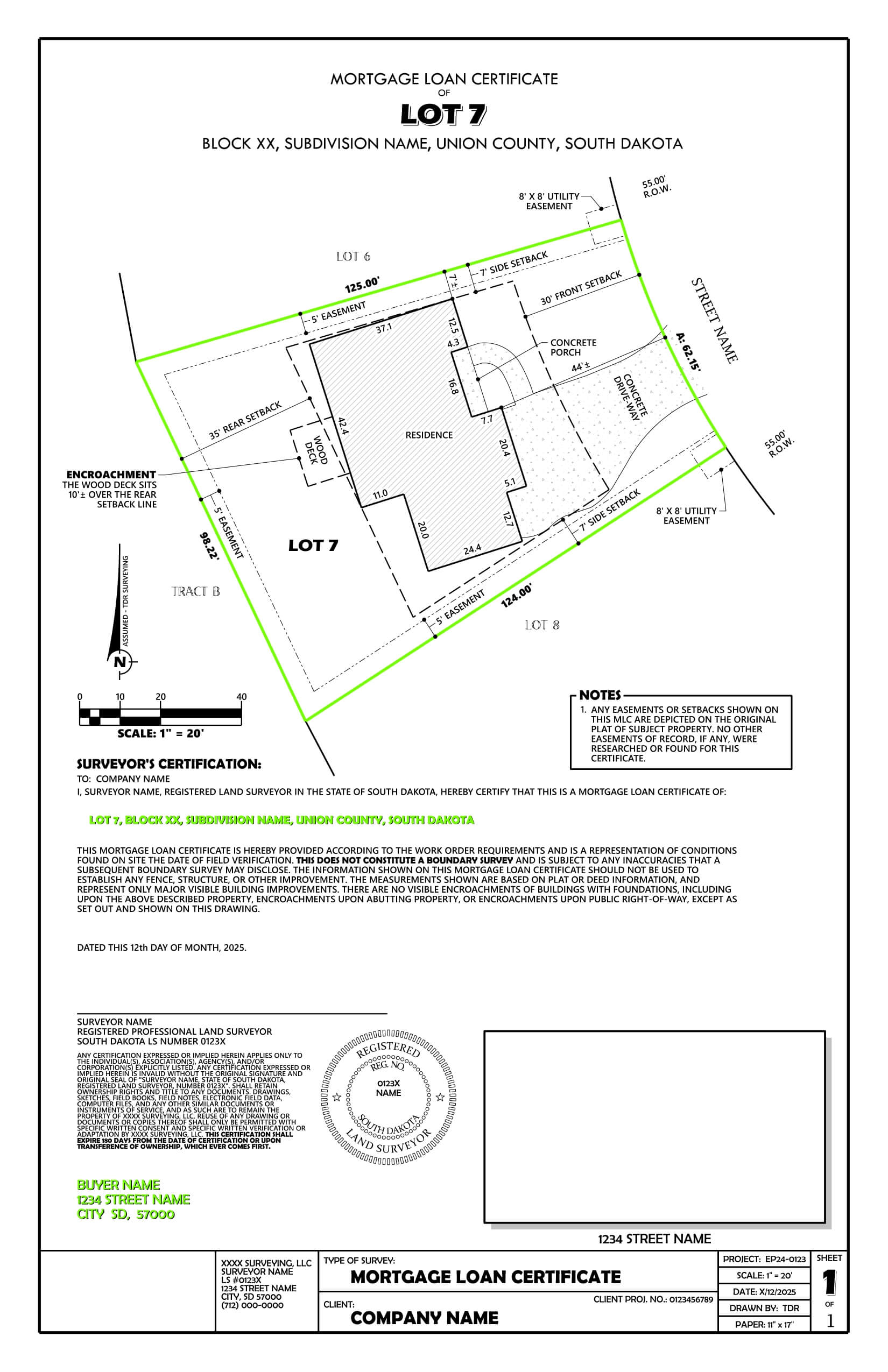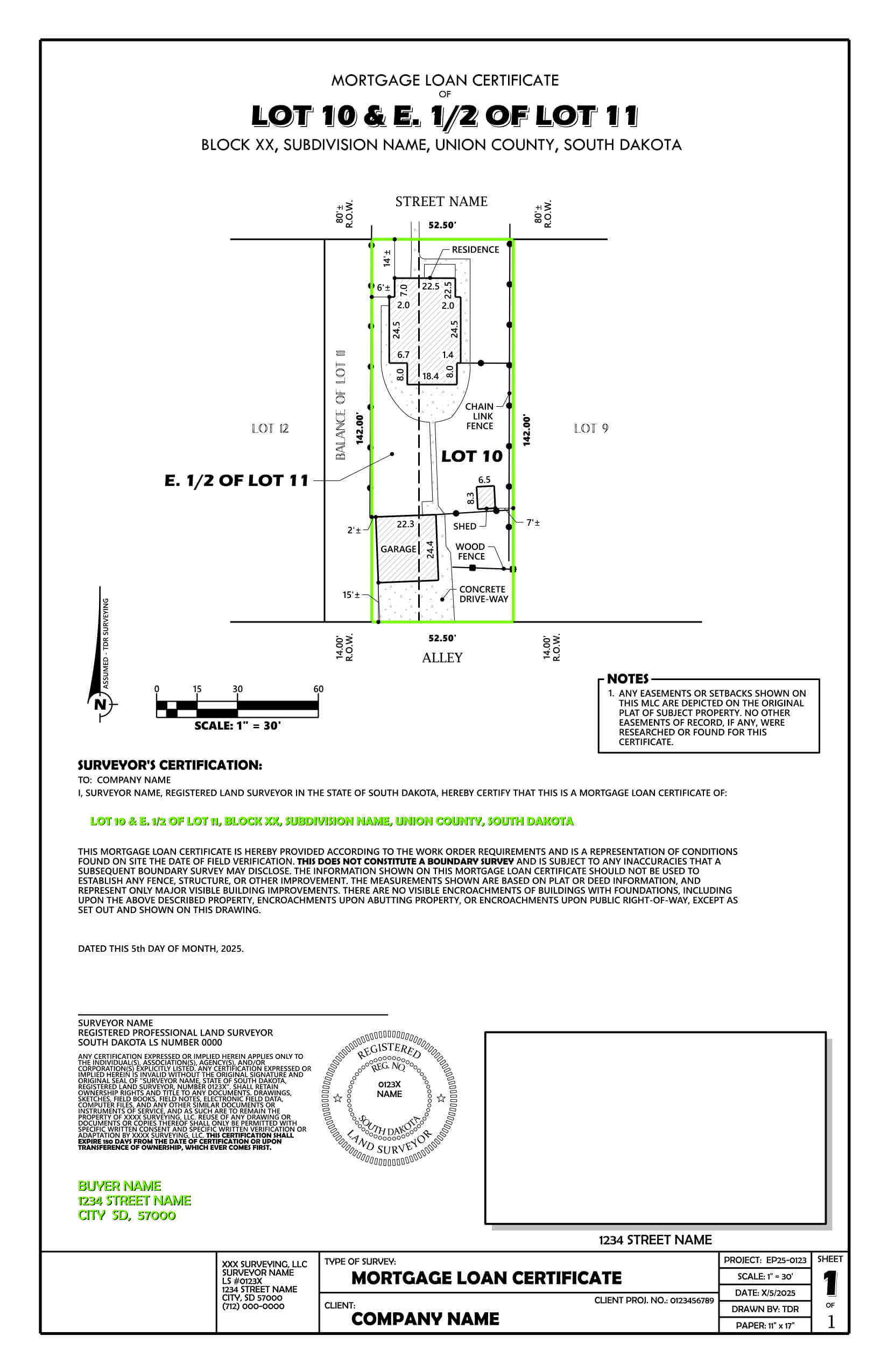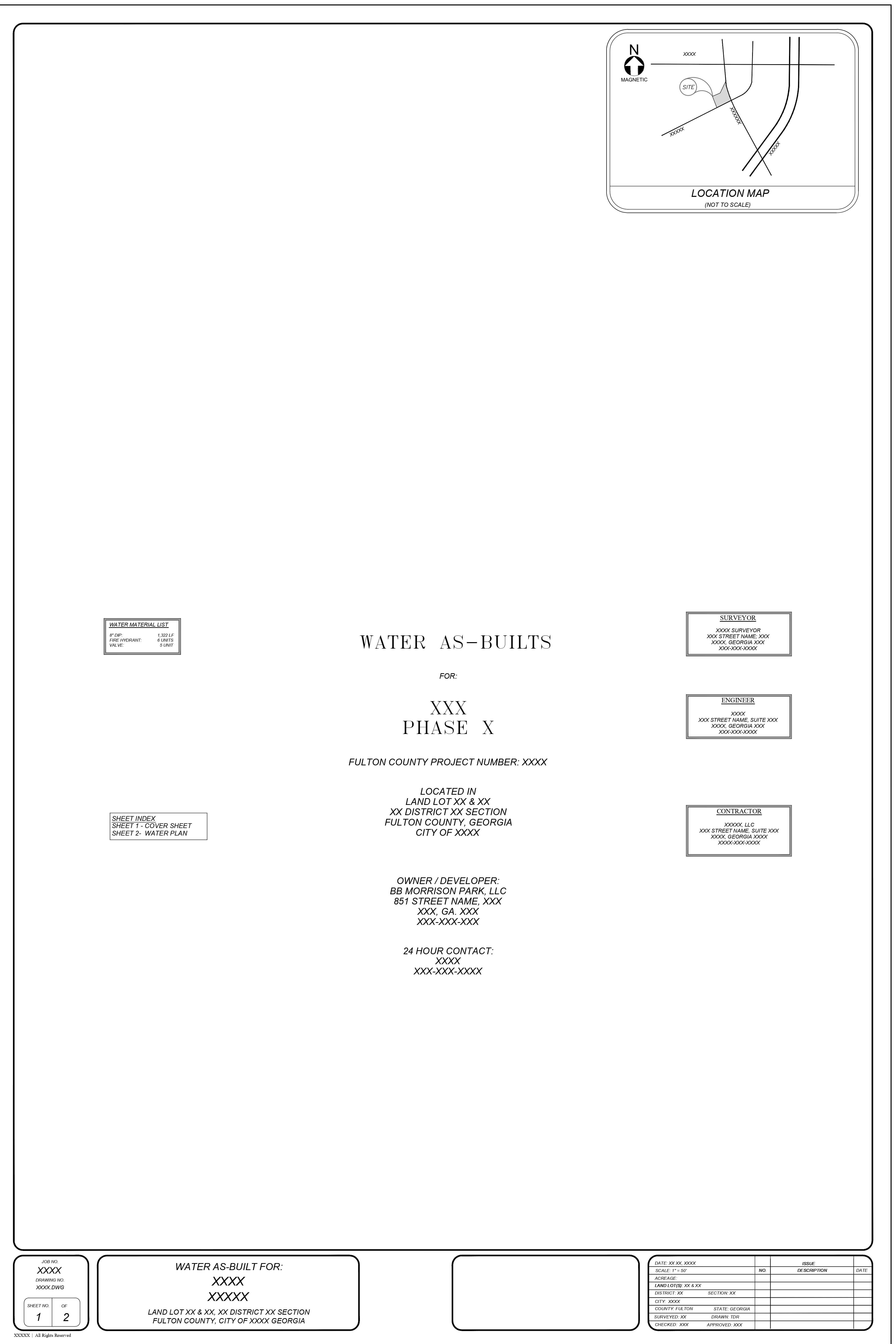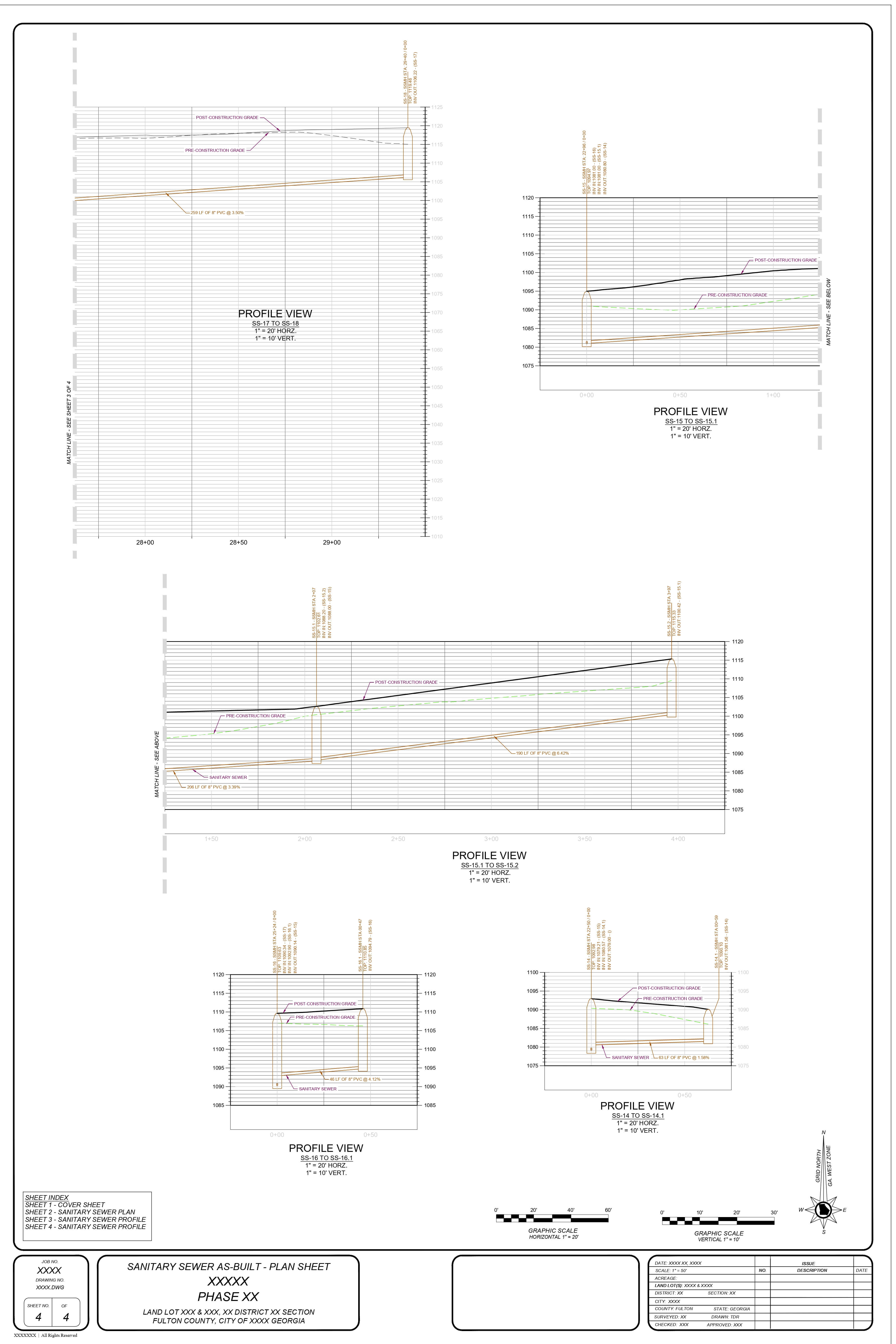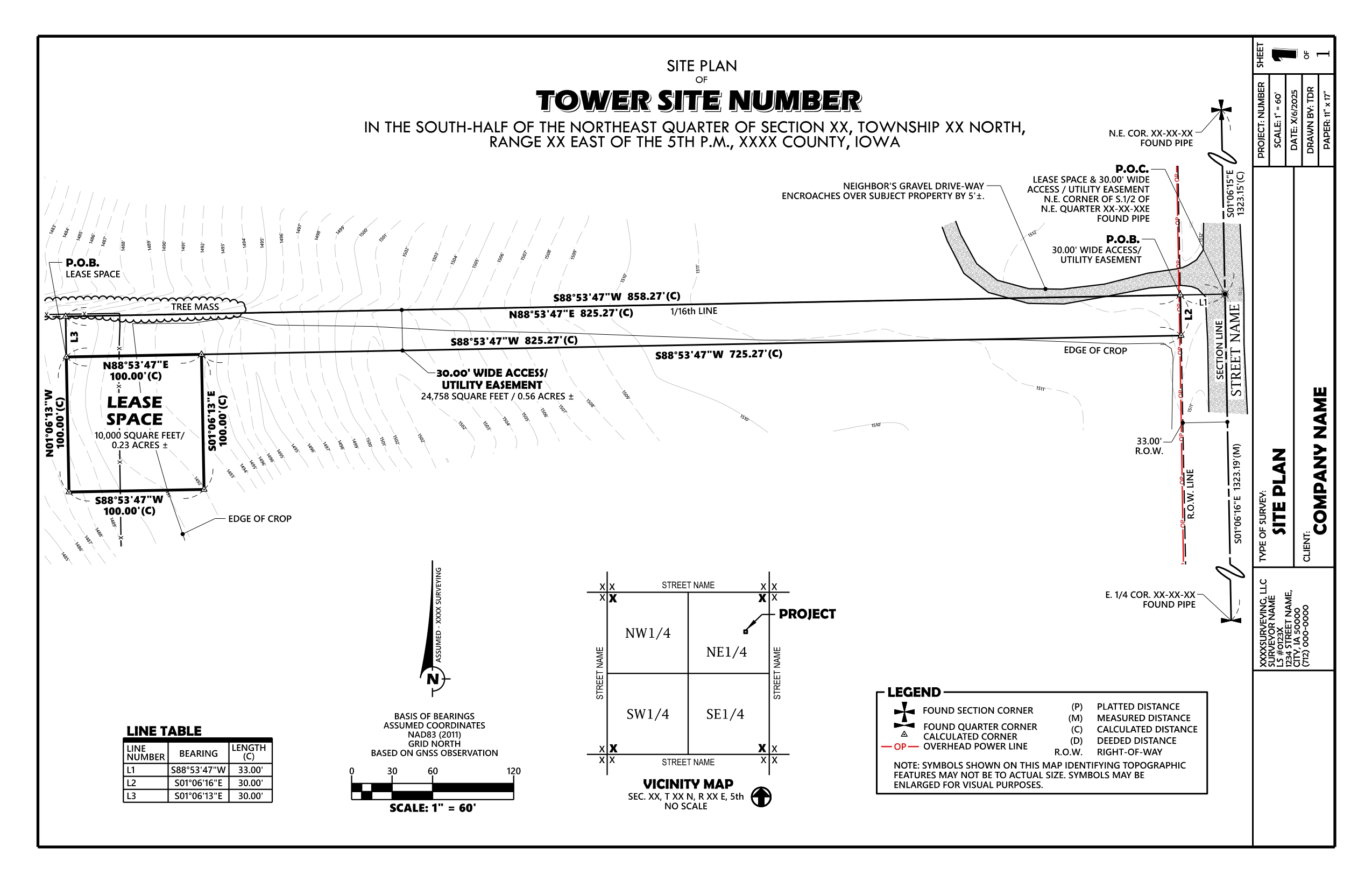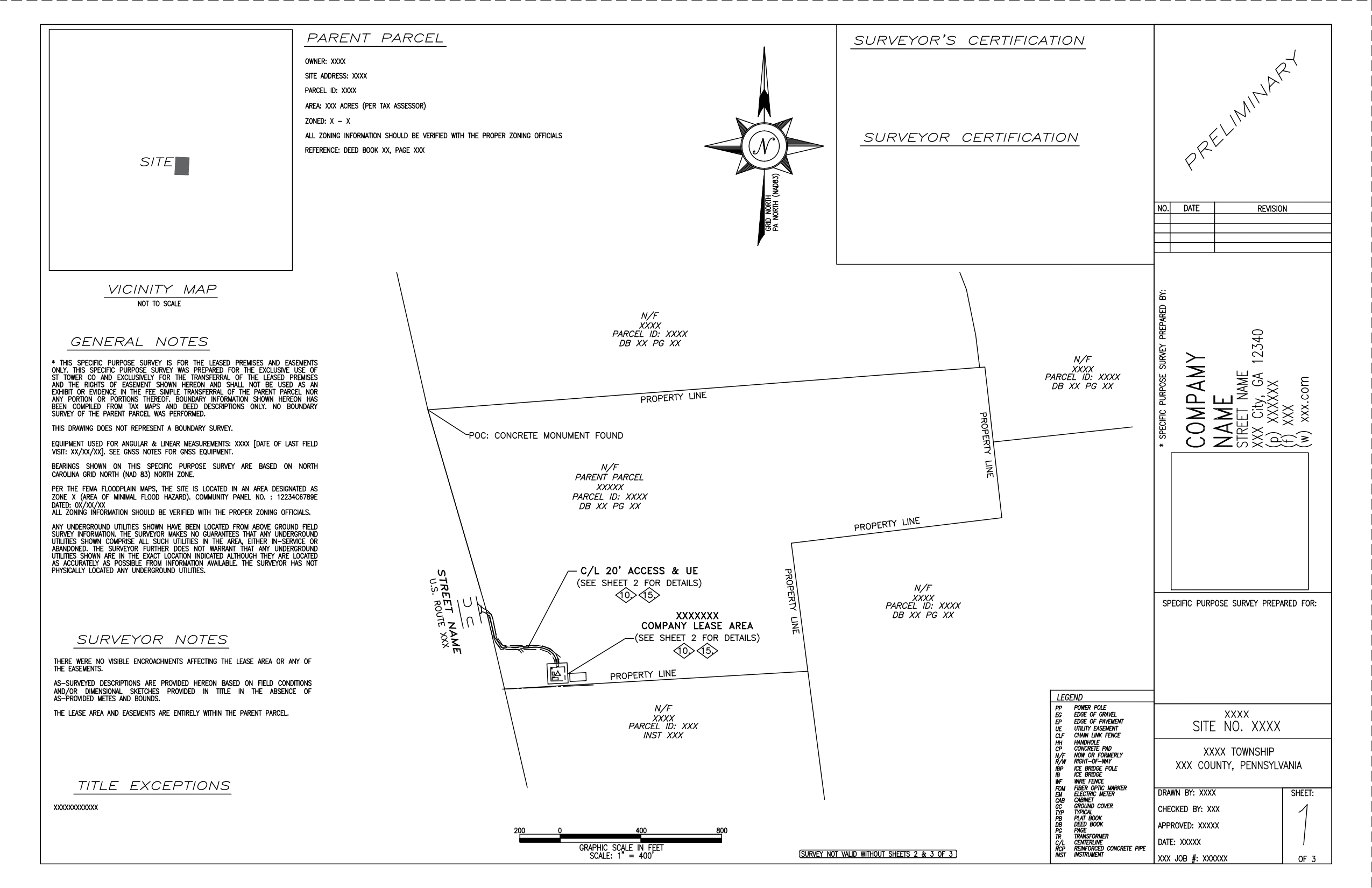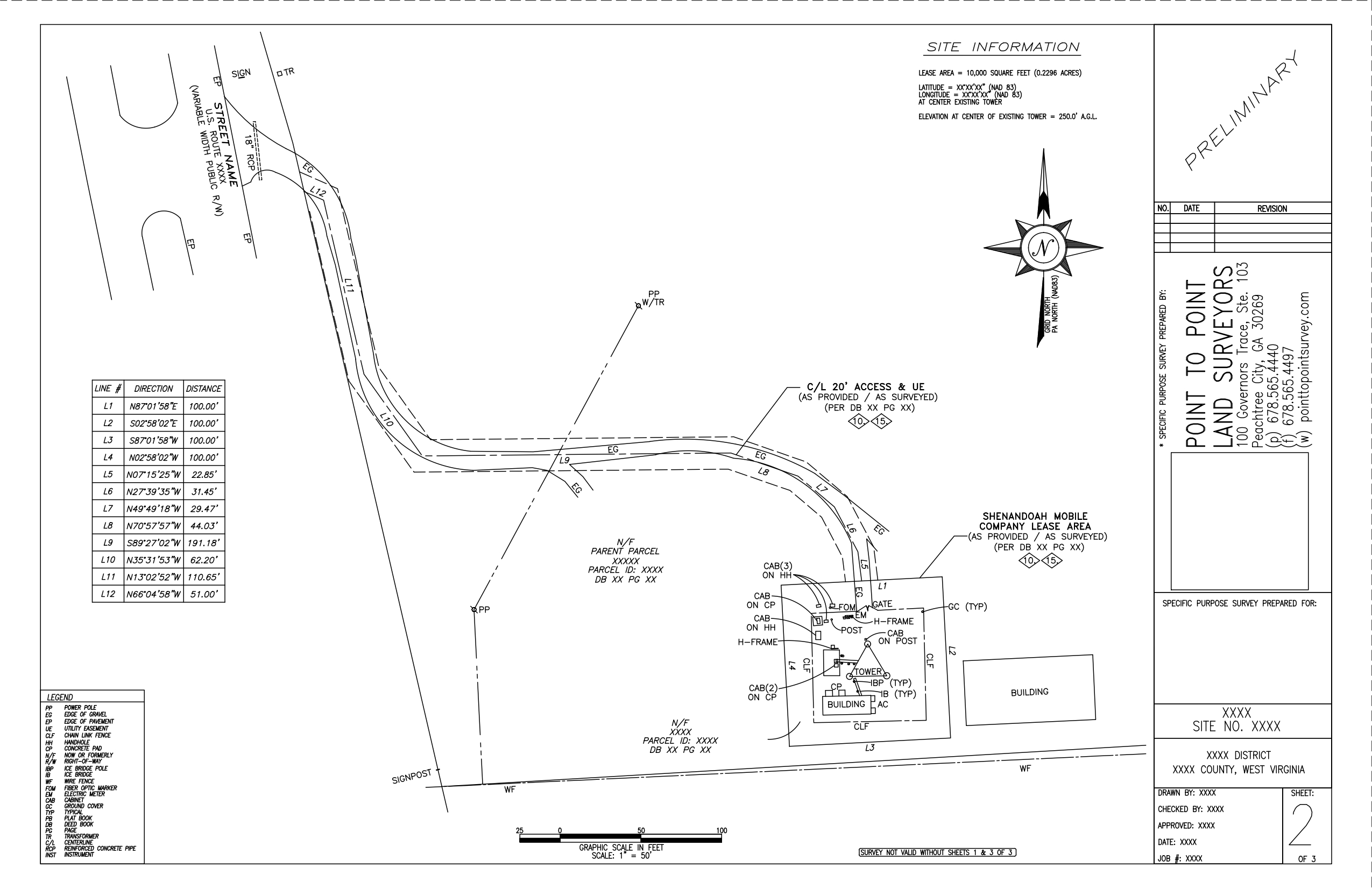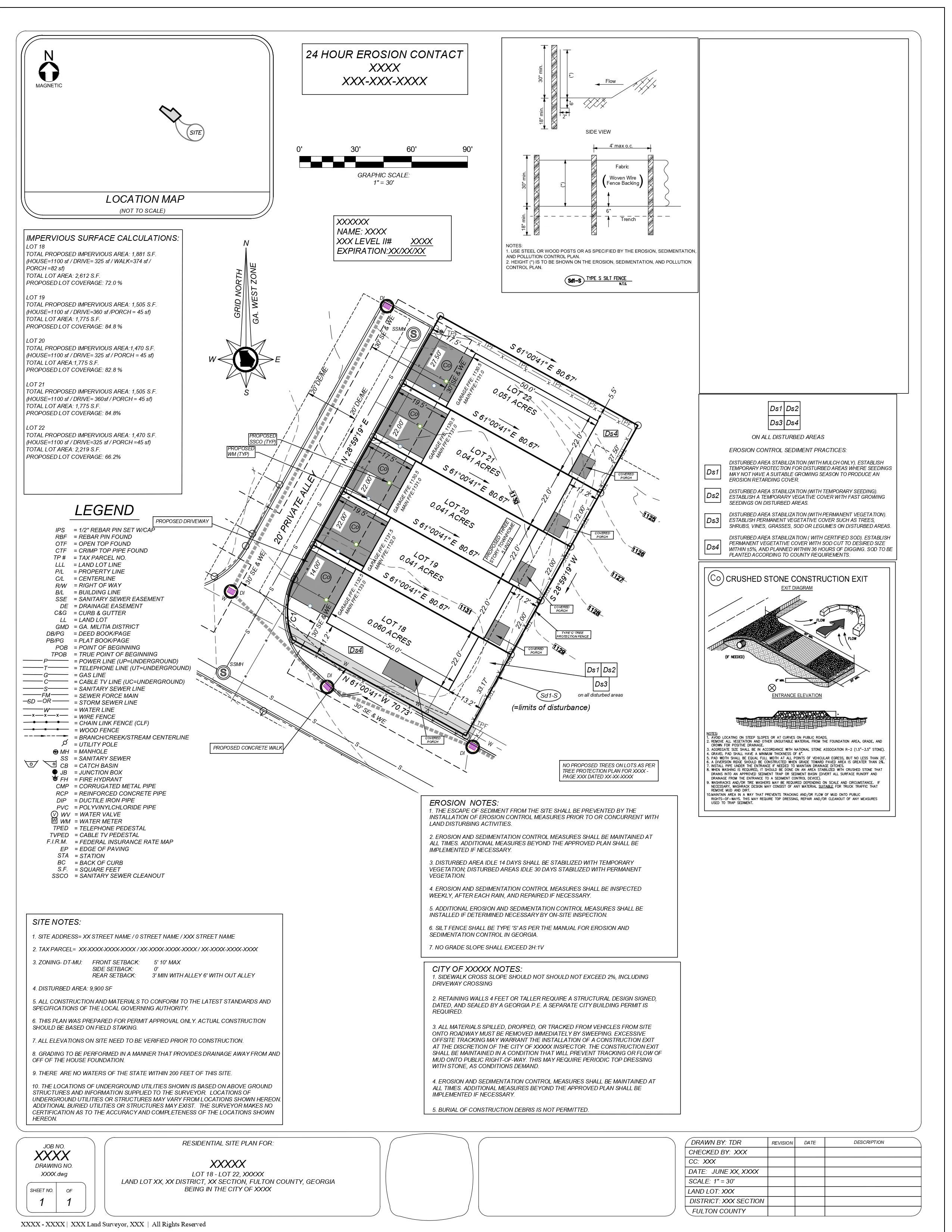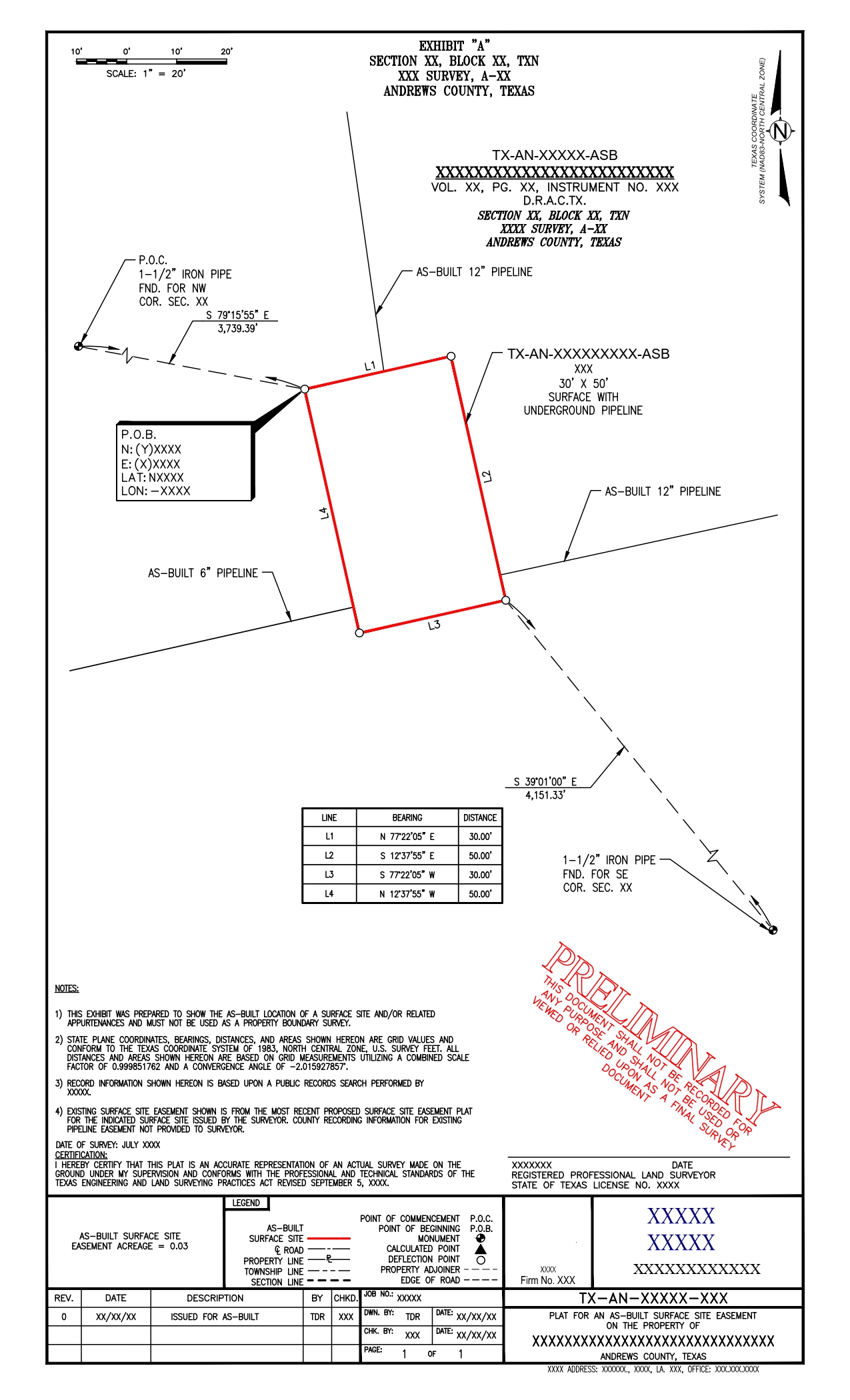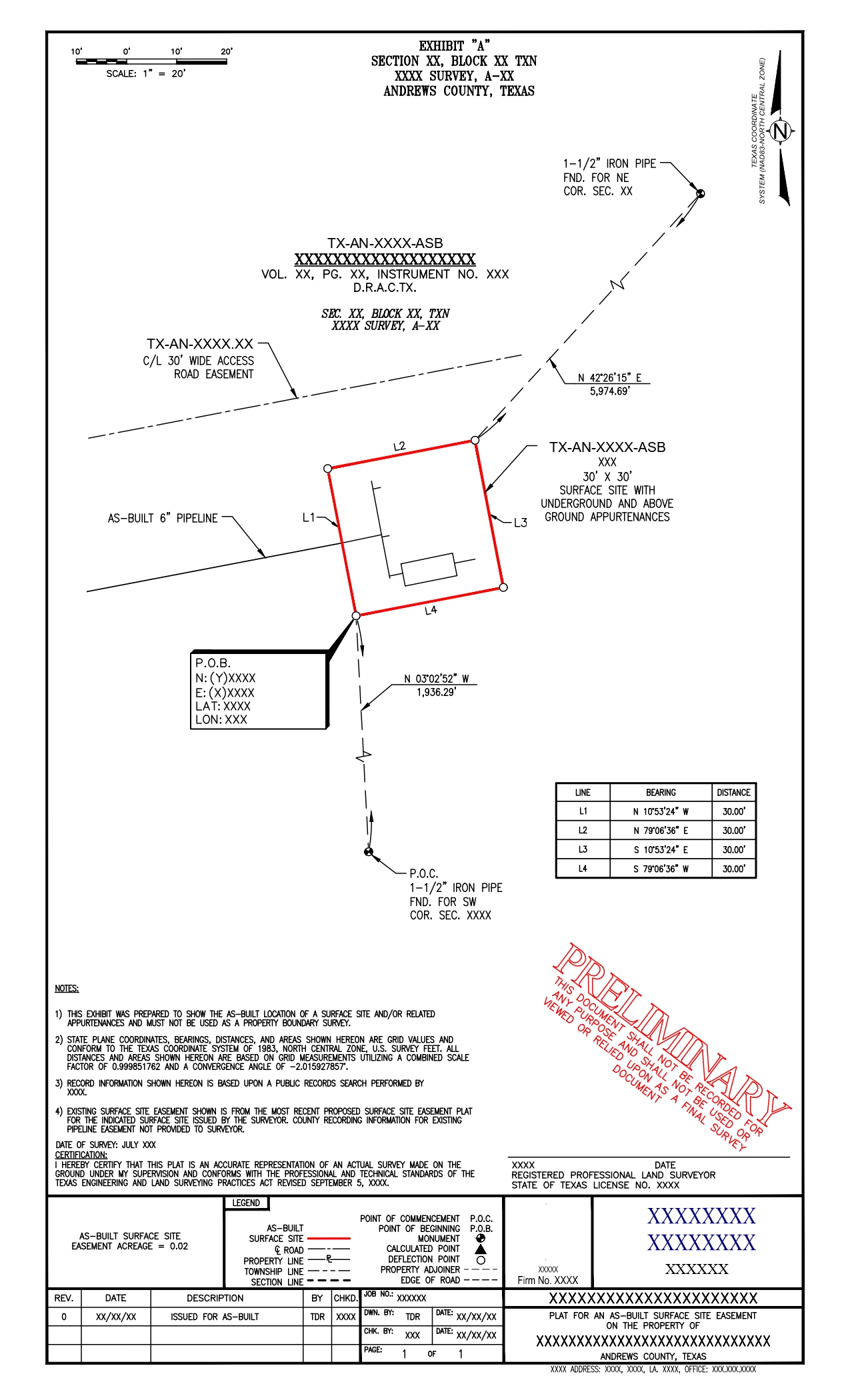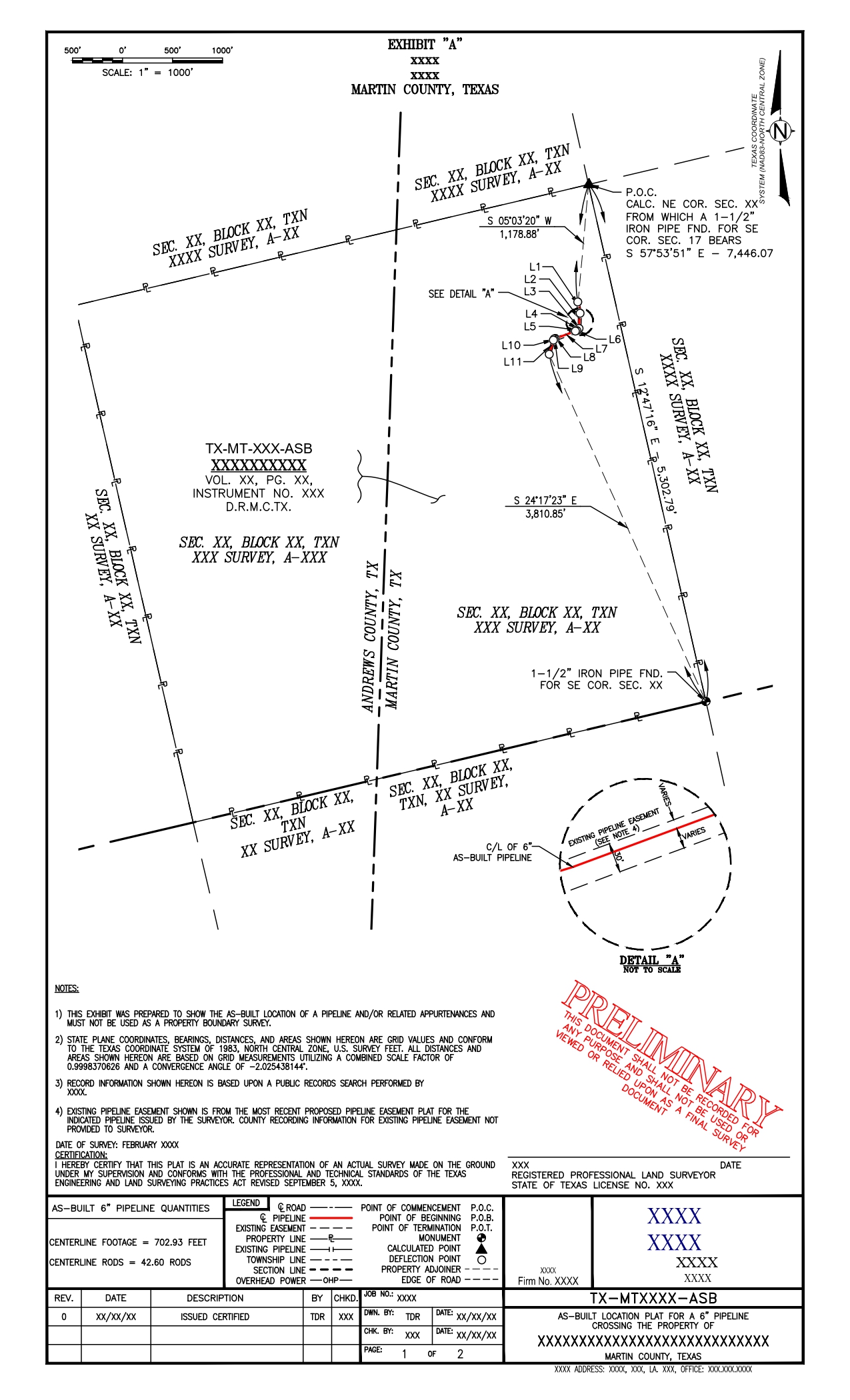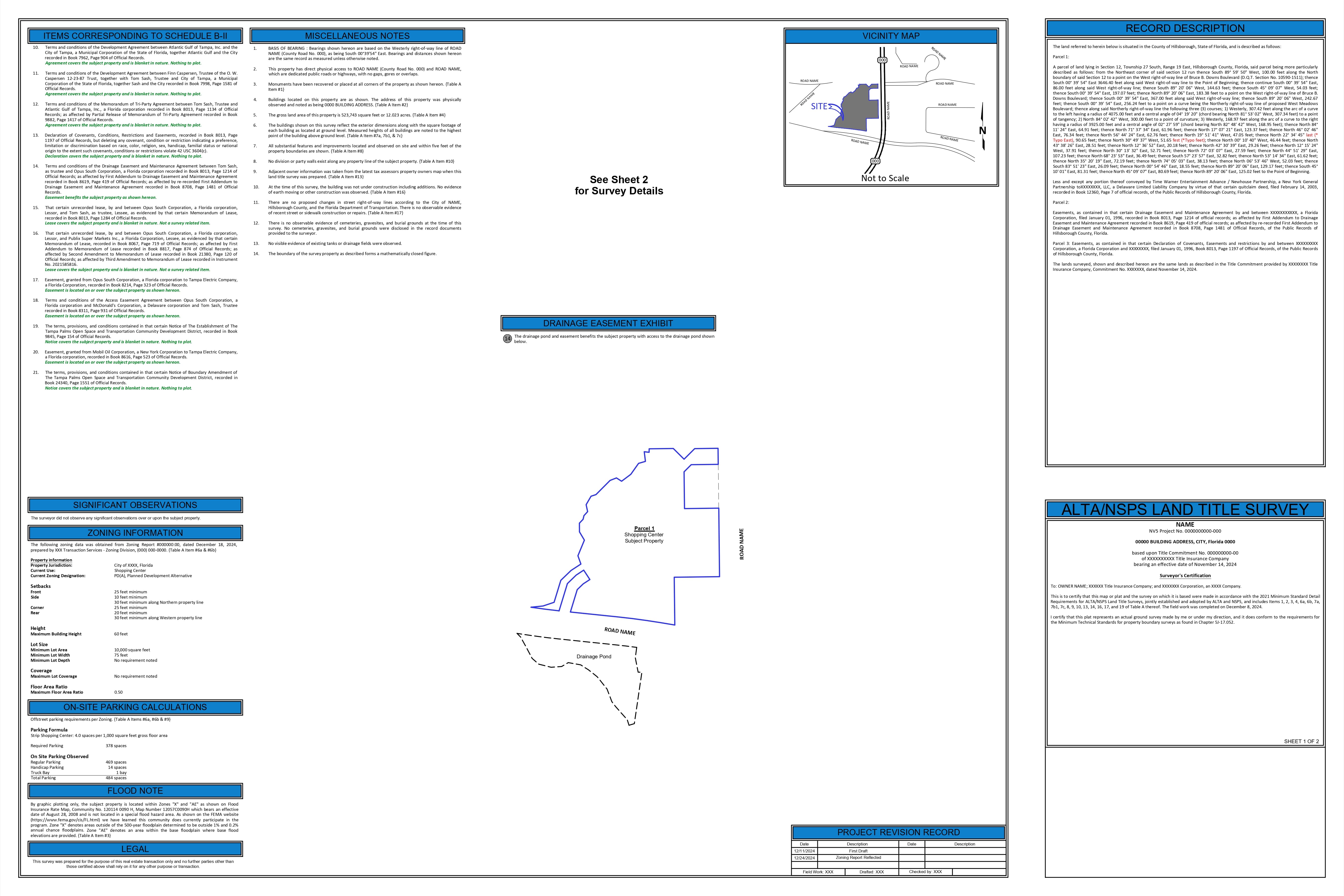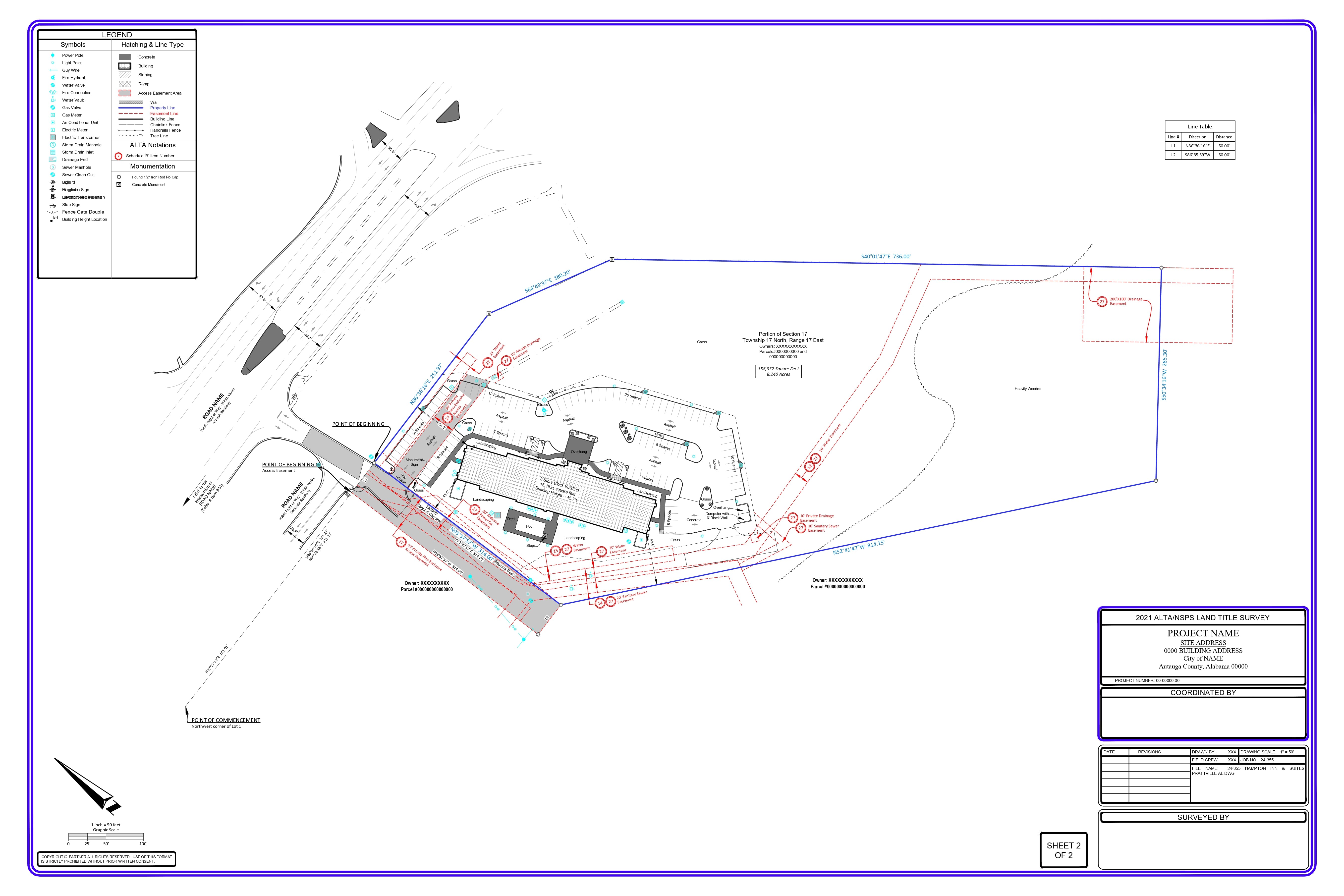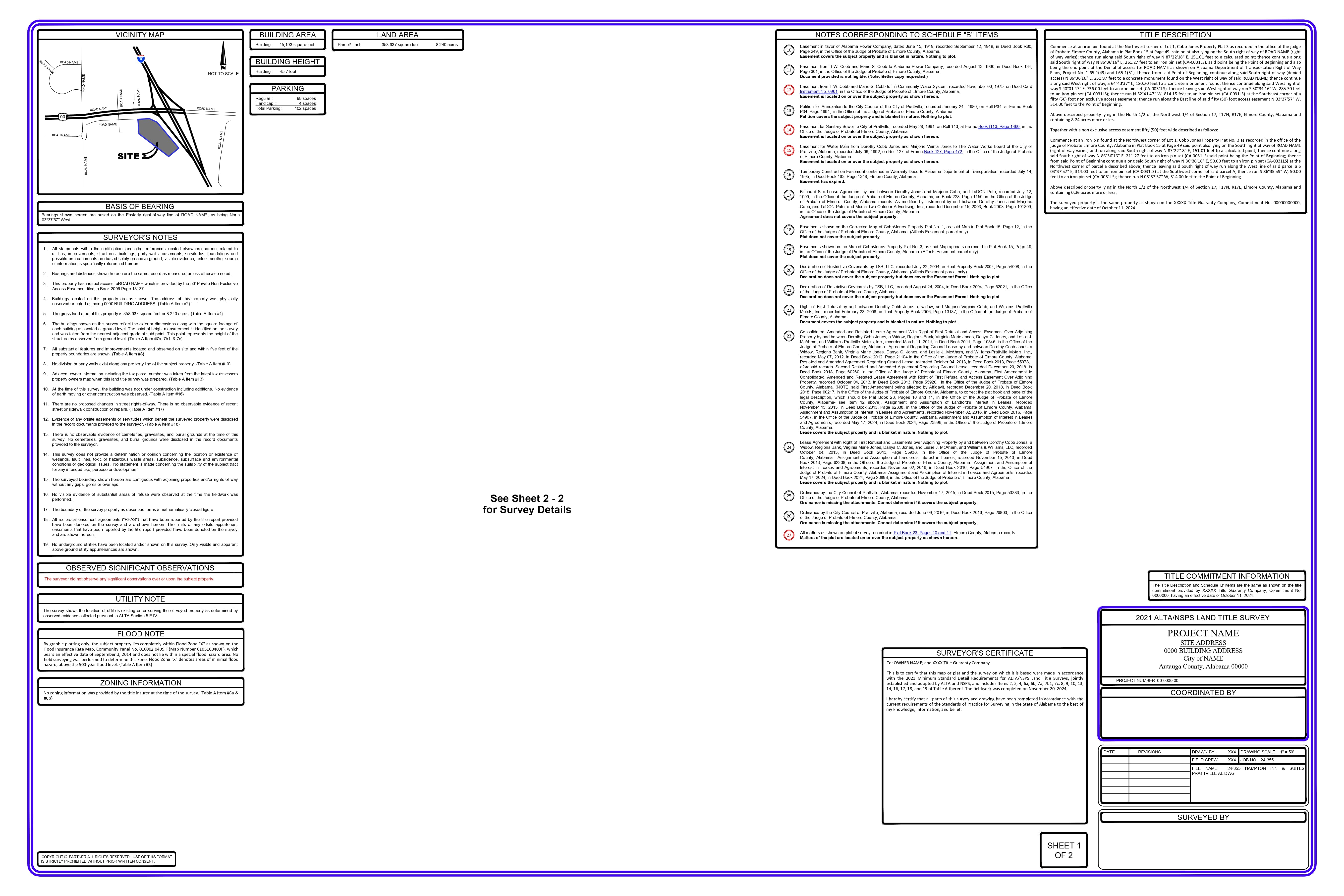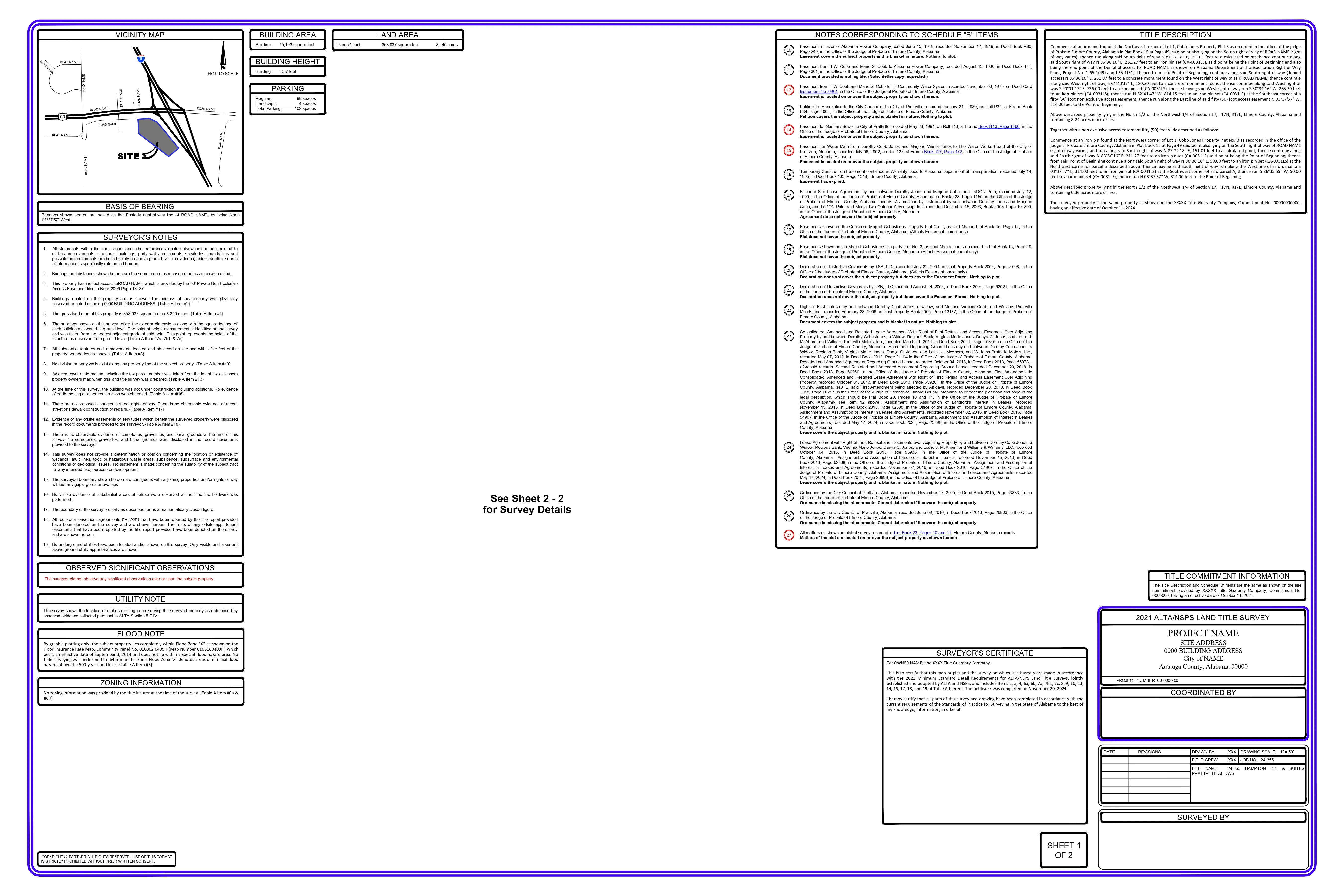


Issue 04 | Monthly Edition | August 1 - August 31, 2026
In this issue
Read time Approx. 9 minutes
From TheDraftRack editorial desk
Editor’s Note
Both conversations matter for drafting professionals. We cover them below, along with the latest from BIM adoption, data governance, and survey workflow automation. As always, reply with what you want more of.
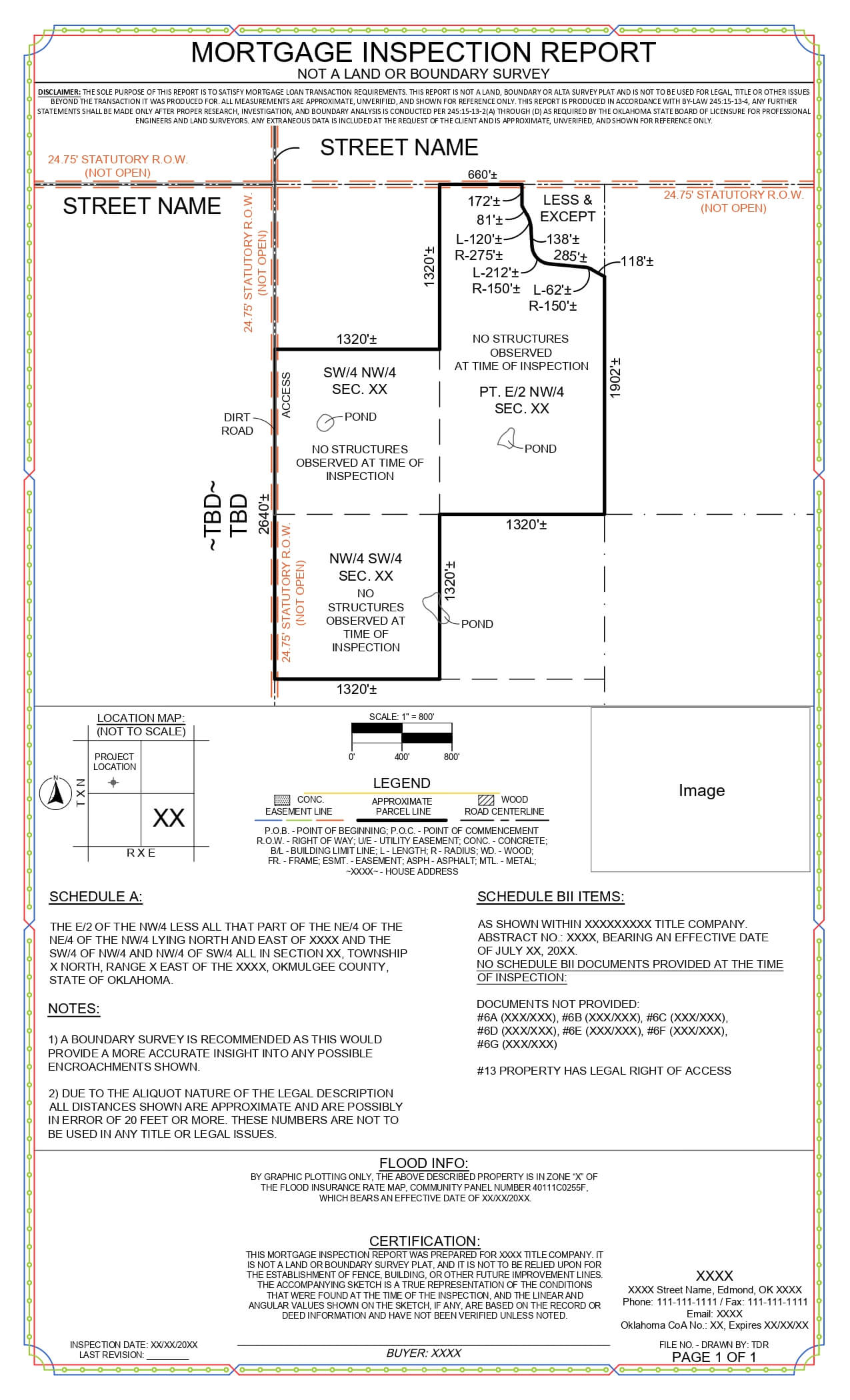
1. ALTA / Survey Desk
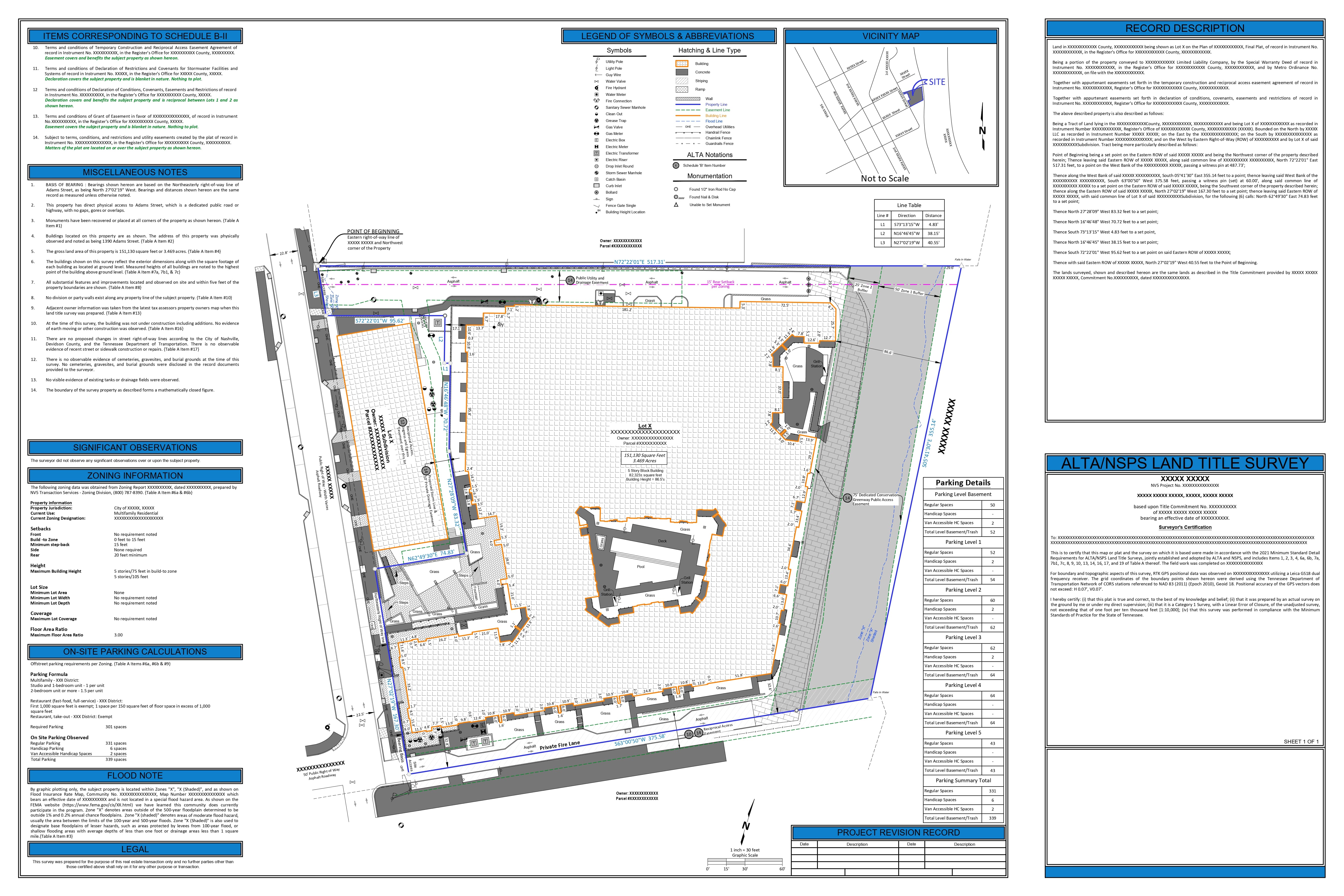
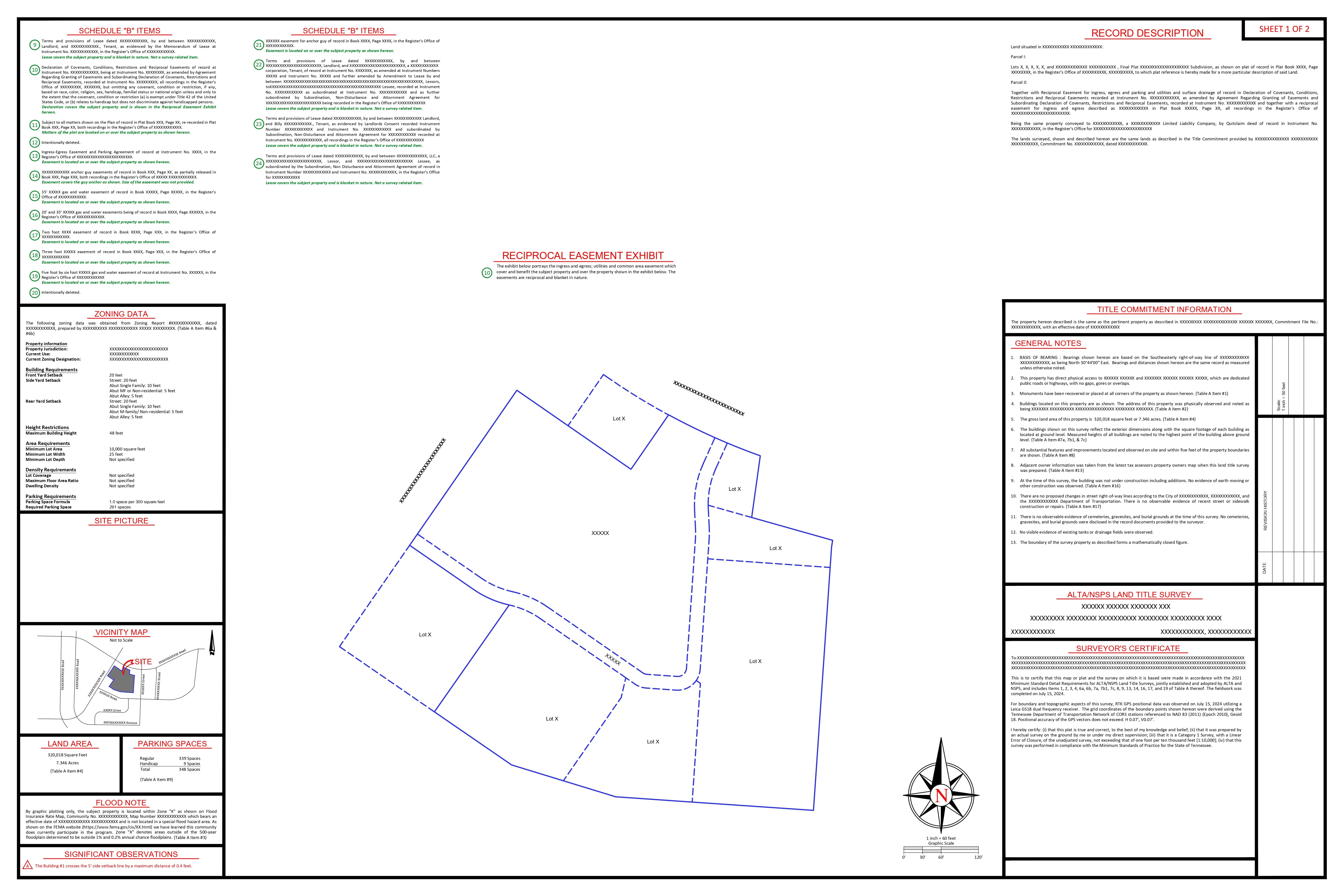
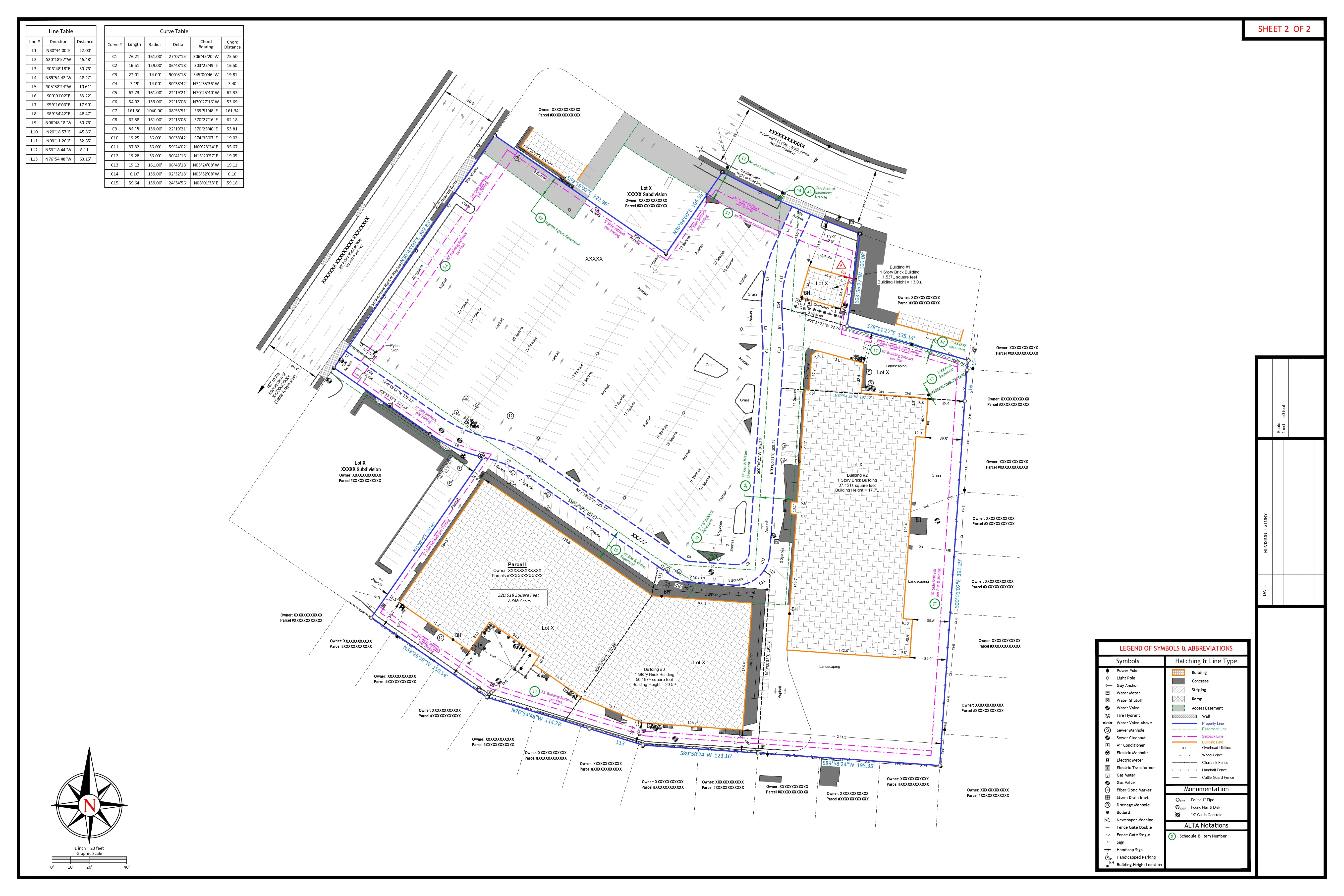
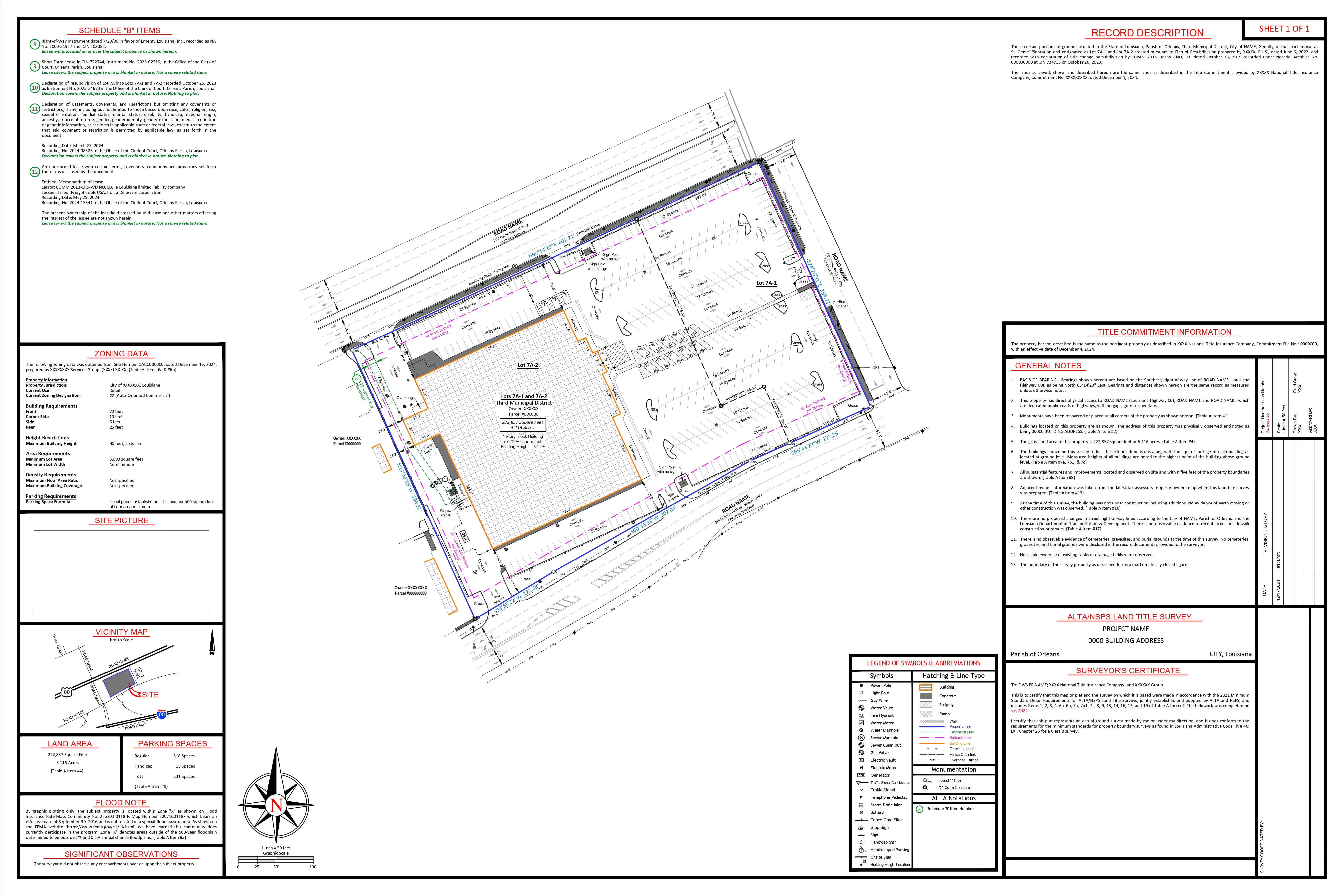
ALTA Files Amicus Brief on FinCEN Reporting Rule
ALTA Best Practices: Fraud Prevention Remains the Hardest Pillar
What ALTA's updated Best Practices recommend
● Tighter controls over notary and signing agent selection, with documented protocols for responding to suspected fraud.
● Vendor management frameworks that extend due diligence beyond the firm’s own staff to the full settlement services supply chain.
ALTA 49 and 49.1 Endorsements - Post-Policy Deed Fraud Coverage
Title Insurance Premiums: $4.5 Billion in Q1 2026
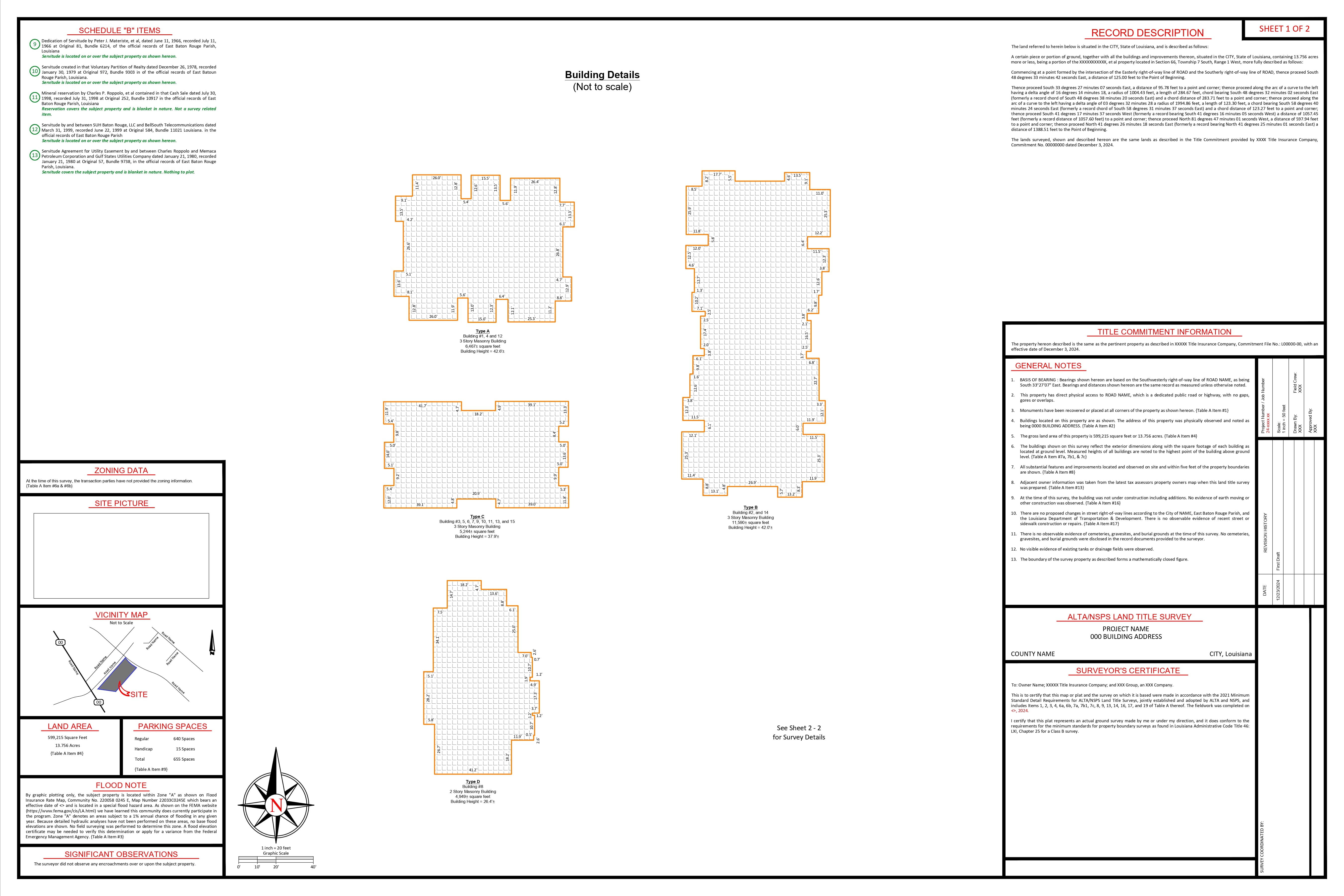
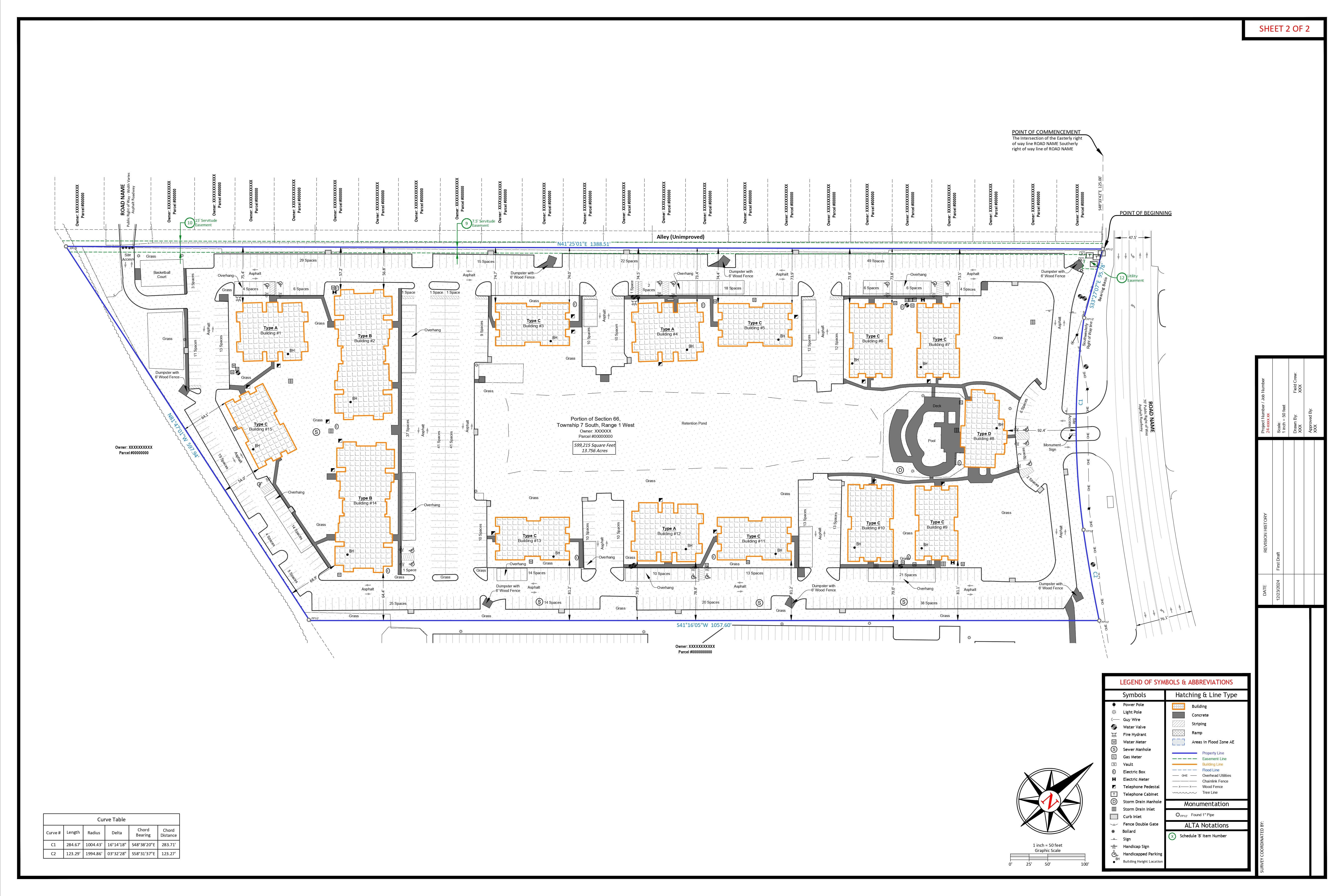
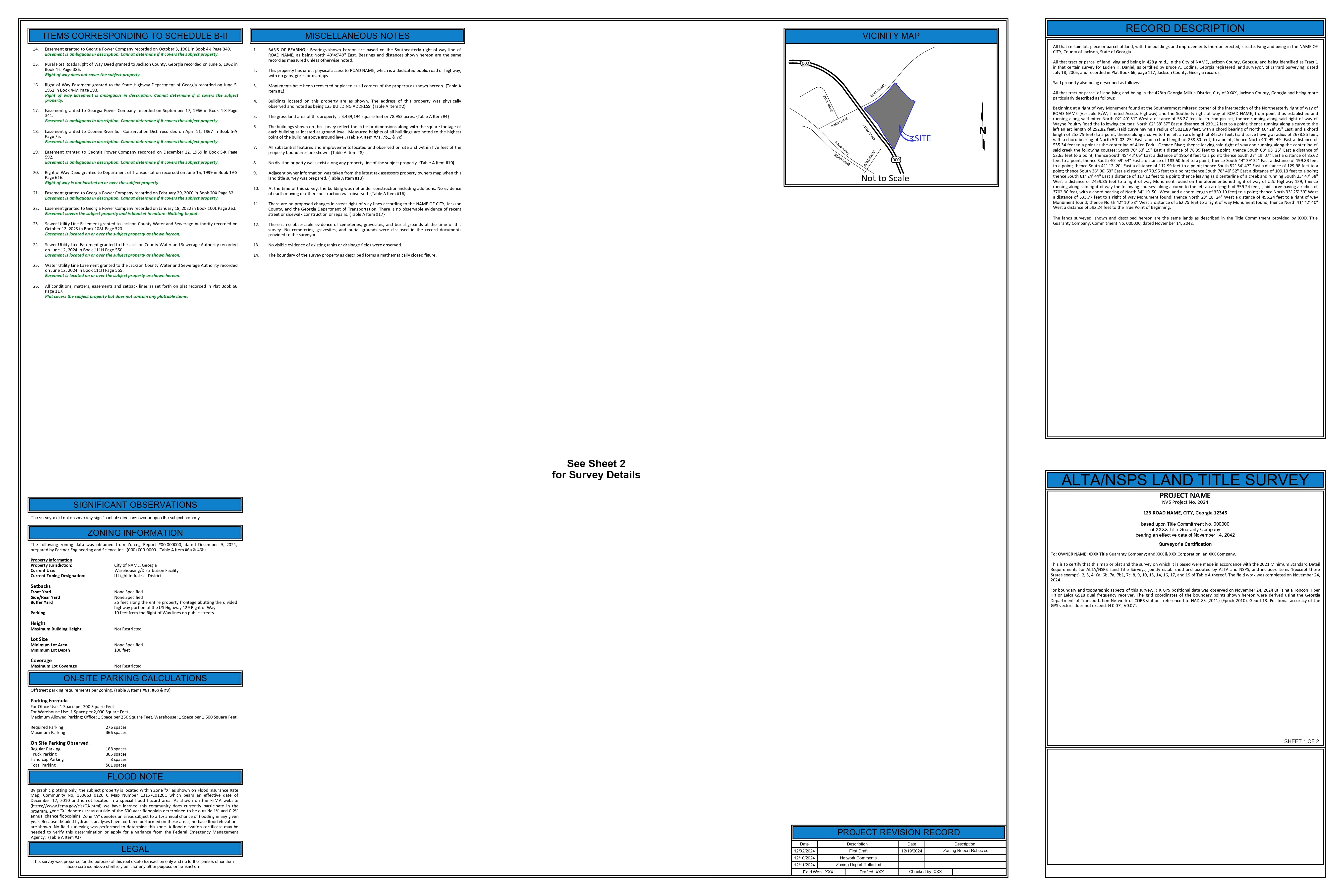
Mid-year 2026 ALTA/NSPS standards audit - where firms stand
● Firms that have built the Item 20 encroachment summary into their standard template are reporting it as a differentiator in competitive RFP situations.
● RPP (Relative Positional Precision) language updates are largely absorbed – most CAD template libraries have been updated.
2. BIM & Coordination
Digital Twins: The next major evolution of BIM
Where digital twin adoption is concentrating
● Large commercial and mixed-use developments where owner-operators want continuous building performance data.
● Government-mandated projects in the UK, Singapore, UAE, and Saudi Arabia, where digital handover requirements are now written into contract specifications.
Scan-to-BIM and Reality Capture - Closing the As-Built Gap
5D BIM - From Design Coordination to Cost Intelligence
BIM market context
● North America holds a 35% market share – the largest globally – driven by infrastructure investment and private sector mandates.
● Model-driven prefabrication and modular delivery continues to reduce on-site construction time by 20-50% on projects that have adopted BIM-enabled workflows.
3. Major Technological Shifts
McKinsey: Agentic AI could generate $228 billion for U.S. AEC
The mechanism McKinsey describes is not AI as a faster search engine – it is autonomous software agents that perform tasks, make recommendations, and coordinate work across entire projects with human oversight. The scenario they walk through: a superintendent photographs a problem on site; AI agents cross-reference it against the latest model, drawings, procurement records, and schedule; identify possible causes; check material availability; and estimate timeline impacts – all within hours rather than days.
What agentic AI means for drafting and coordination workflows
● McKinsey’s implementation roadmap is staged: firms that invest in data governance and workforce capability now will be better positioned as autonomous systems mature.
● The transition will not happen overnight – but the firms building data infrastructure today are the ones that agentic AI will be able to use tomorrow.
Local AI and Data Governance - The Conversation AEC Firms Are Having
The data governance gap
● In 2026, compliance expectations now require demonstrable data and AI governance measures already in place – not just plans or policies.
● The biggest barriers to AEC technology adoption in 2026 are complexity, culture, and connection – not cost. Firms that treat AI as a tool purchase rather than a workflow redesign are stalling.
Land Survey Drafting Automation - Carlson Survey IntelliCAD 2026
Survey drafting automation - where the industry is heading
● The question in 2026 is no longer whether automation will reshape survey drafting, but how quickly firms can restructure workflows to take advantage of it.
● Firms using outsourced or offshore CAD drafting for survey deliverables are finding that automation reduces their cost-per-drawing while improving turnaround times.
4. Case Studies Worth Your Time
Agentic AI on the Job Site: McKinsey's Worked Example
McKinsey’s report includes a worked example that illustrates what agentic AI looks like in practice on a construction site – not as a concept, but as a described workflow that firms can evaluate against their own operations.
The scenario
● AI agents cross-reference the photograph against the latest model, current drawings, procurement records, and the project schedule simultaneously.
● The system identifies possible root causes, checks material availability from procurement data, and estimates downstream timeline impact.
● The project team evaluates solution options within hours – a process that previously took days of manual coordination across disciplines.
The enabler in every step is data quality and accessibility: a current model, linked drawings, live procurement records, and an up-to-date schedule. Firms whose project data lives in email threads and disconnected file servers cannot use this capability regardless of which AI tools they purchase.
Egnyte AEC Summit: Cloud, AI, and the Data Problem Most Firms Haven't Solved
The 2026 Egnyte AEC Virtual Summit surfaced a consistent finding across participating firms: the data problem is real, it is widespread, and it is the primary obstacle to AI adoption – not tool availability, not budget, and not executive buy-in. Firms are generating more project data than ever, but most cannot manage, protect, or leverage it effectively.
Key takeaways for drafting and project delivery firms
● Firms that have invested in data structure – consistent naming conventions, version control, model management protocols – are seeing direct returns in AI tool effectiveness.
● The gap between firms with structured data environments and those without is widening. AI amplifies the advantage of the former and does little for the latter.
5. Dates to Watch
| Date | Event / Milestone | Where / Why |
|---|---|---|
| Sep 8-10, 2026 | ALTA ONE Conference — Chicago | Annual industry gathering; ALTA Best Practices sessions, FinCEN/TRID regulatory updates |
| Sep 2026 | ALTA Best Practices v3.0 — comment period closes | Submit feedback before final guidance is published |
| Sep 15, 2026 | ISO 19650 Part 3 — consultation deadline | Last date for BIM information management standard feedback |
| Sep 2026 | AEC AI Summit — virtual | Agentic AI pilots, data governance in AEC, McKinsey report follow-through |
| Sep 30, 2026 | Q3 CAD/BIM productivity benchmarks due | Internal deadline for firms tracking field-to-finish automation gains |
Sign-off
Firms that are building the infrastructure now – governed data, connected workflows, upskilled teams – are the ones that will be able to use the tools when they arrive at scale.
If a colleague forwarded this to you, subscribe via TheDraftRack. Reply with what you want more of – we read every response.
The Editorial Desk, TheDraftRack
Sources
ALTA / Survey
● ALTA – American Land Title Association (industry news, August 2026): ALTA – American Land Title Association
● ALTA – ALTA Endorsements Expand Protection Against Deed Fraud and Forgery: ALTA Endorsements Expand Protection Against Deed Fraud and Forgery
● Holland & Knight – 2026 ALTA Survey Standards Updates: Holland & Knight – 2026 ALTA Survey Standards Updates
BIM & Digital Twins
● United BIM – 5 BIM Trends in 2026 That Will Shape the Future of AEC: United BIM – 5 BIM Trends in 2026 That Will Shape the Future of AEC
● EIN News – BIM Market Size and Share 2026: EIN News – BIM Market Size and Share 2026
● PBC Today – BIM News and Trends: PBC Today – BIM News and Trends
AI & Technology
● McKinsey – How Agentic AI Is Transforming the AEC Industry: McKinsey – How Agentic AI Is Transforming the AEC Industry
● Construction Dive – McKinsey AI automation in construction: Construction Dive – McKinsey AI automation in construction
● PBC Today – 2026 will be the year local AI emerges in AEC: PBC Today – 2026 will be the year local AI emerges in AEC
● Carlson – Carlson Survey IntelliCAD 2026: Carlson Survey IntelliCAD 2026
● BuiltWorlds – 40 AI-Driven AEC Solutions to Watch in 2026: BuiltWorlds – 40 AI-Driven AEC Solutions to Watch in 2026
Last modified: September 18, 2026